November 21, 2026
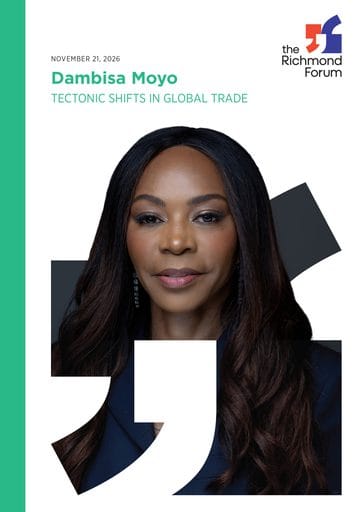
Baroness Dambisa Moyo
Tectonic Shifts in Global Trade
We navigated the fault lines of a fracturing global economy with the economist and geopolitical strategist who has spent her career mapping exactly where the tremors lead.
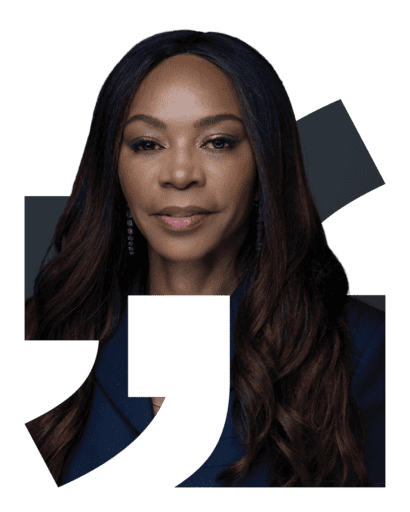
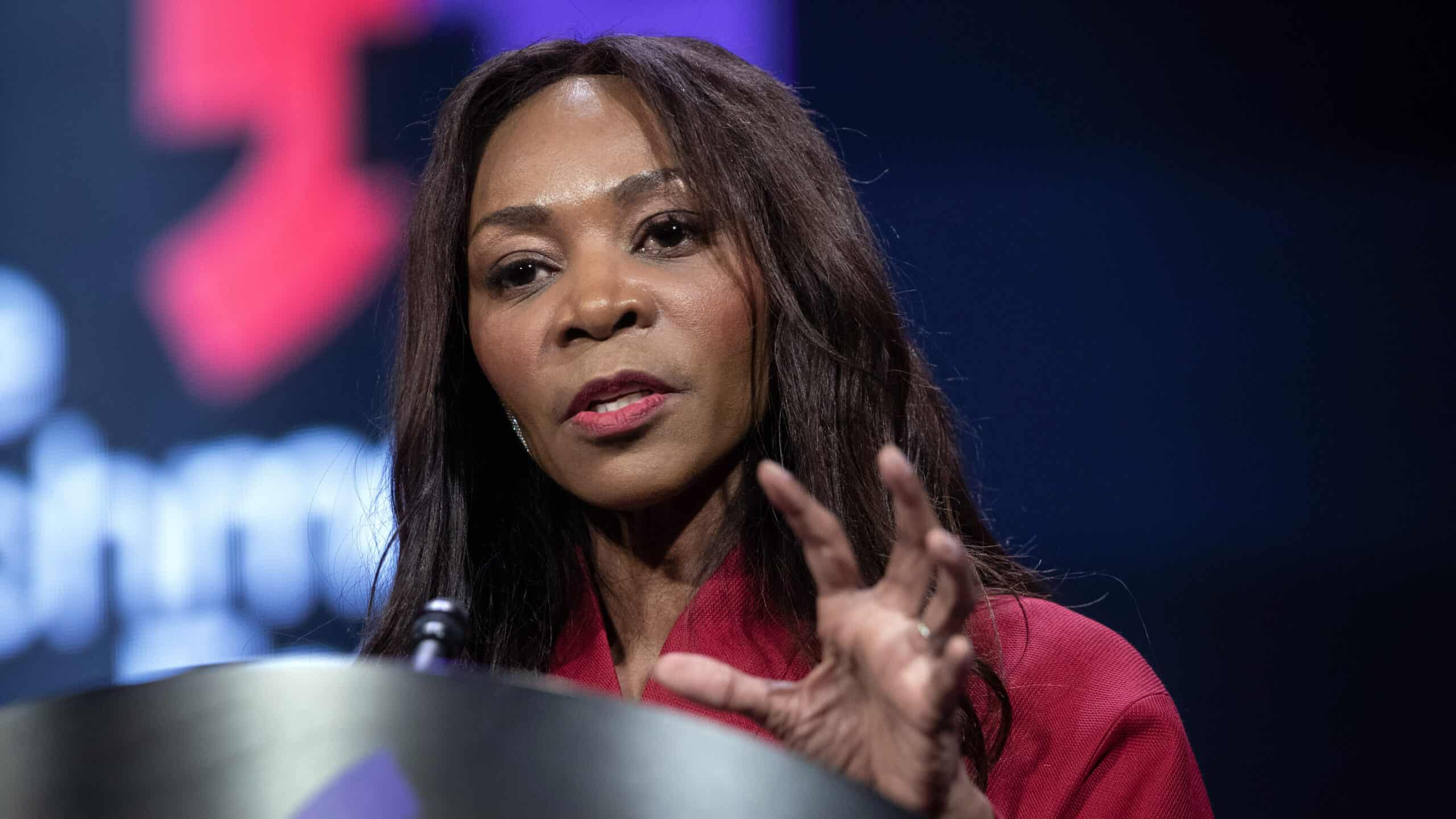
“In many countries, the government, which is now struggling with a smaller tax base and bigger welfare demands, must try to address this whole range of issues: climate, growth, innovation, and protecting democracy. In the United States, you have a third lever. You have the government and you have the voters, but you also have the private sector, which I think should be held more and more to account, given its responsibility and its reach.”
Dambisa Moyo
Tectonic Shifts in Global Trade
November 21, 2026
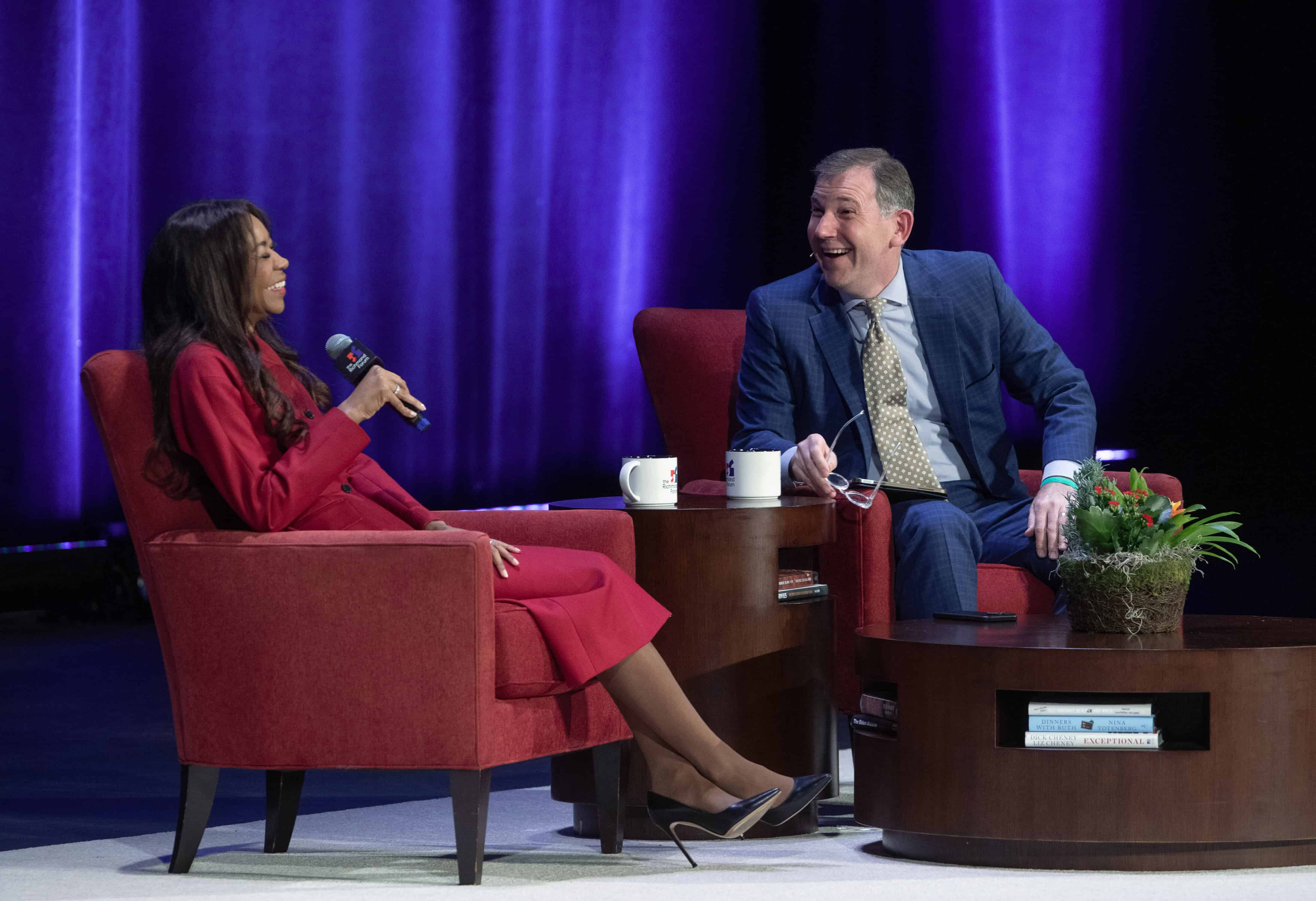
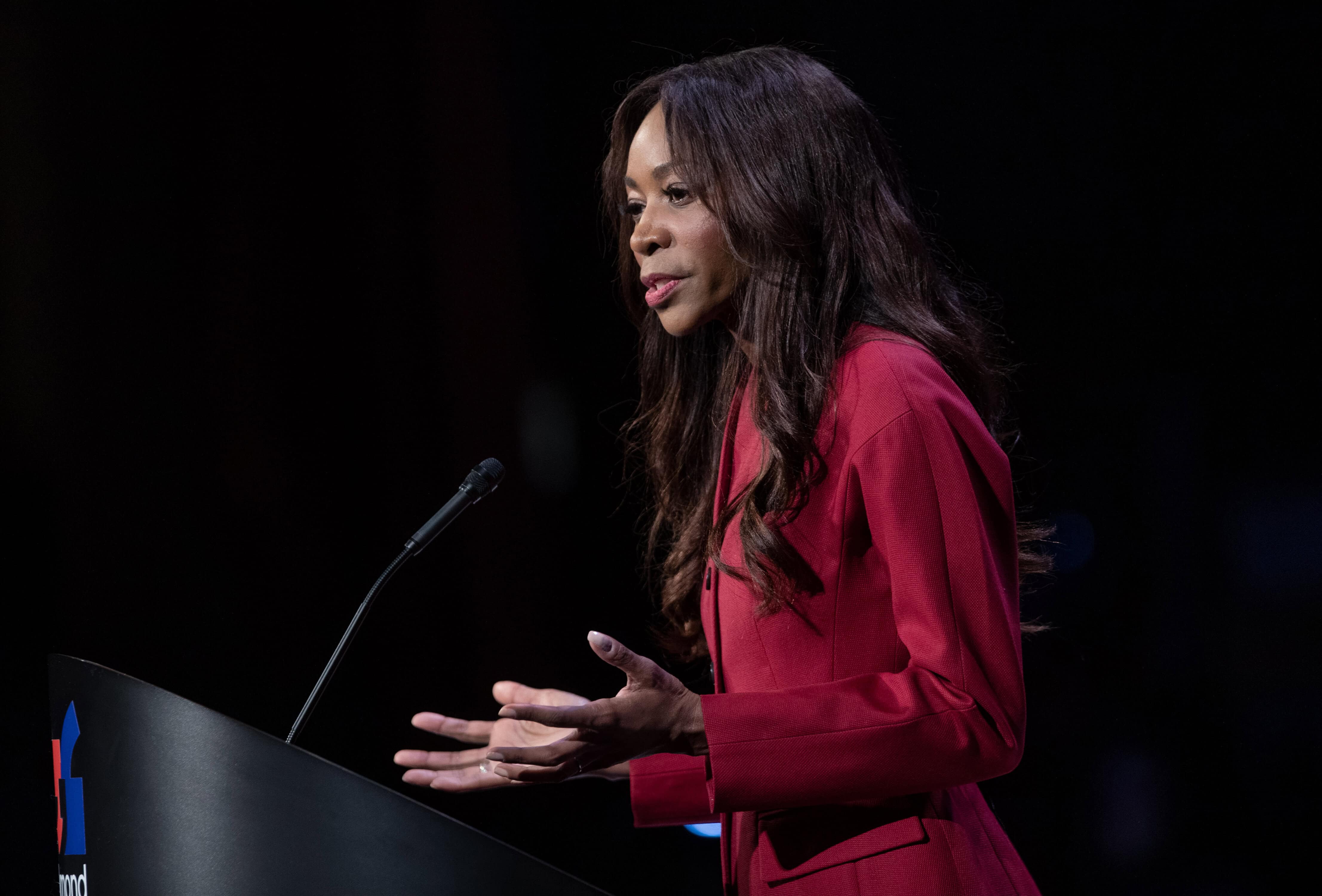
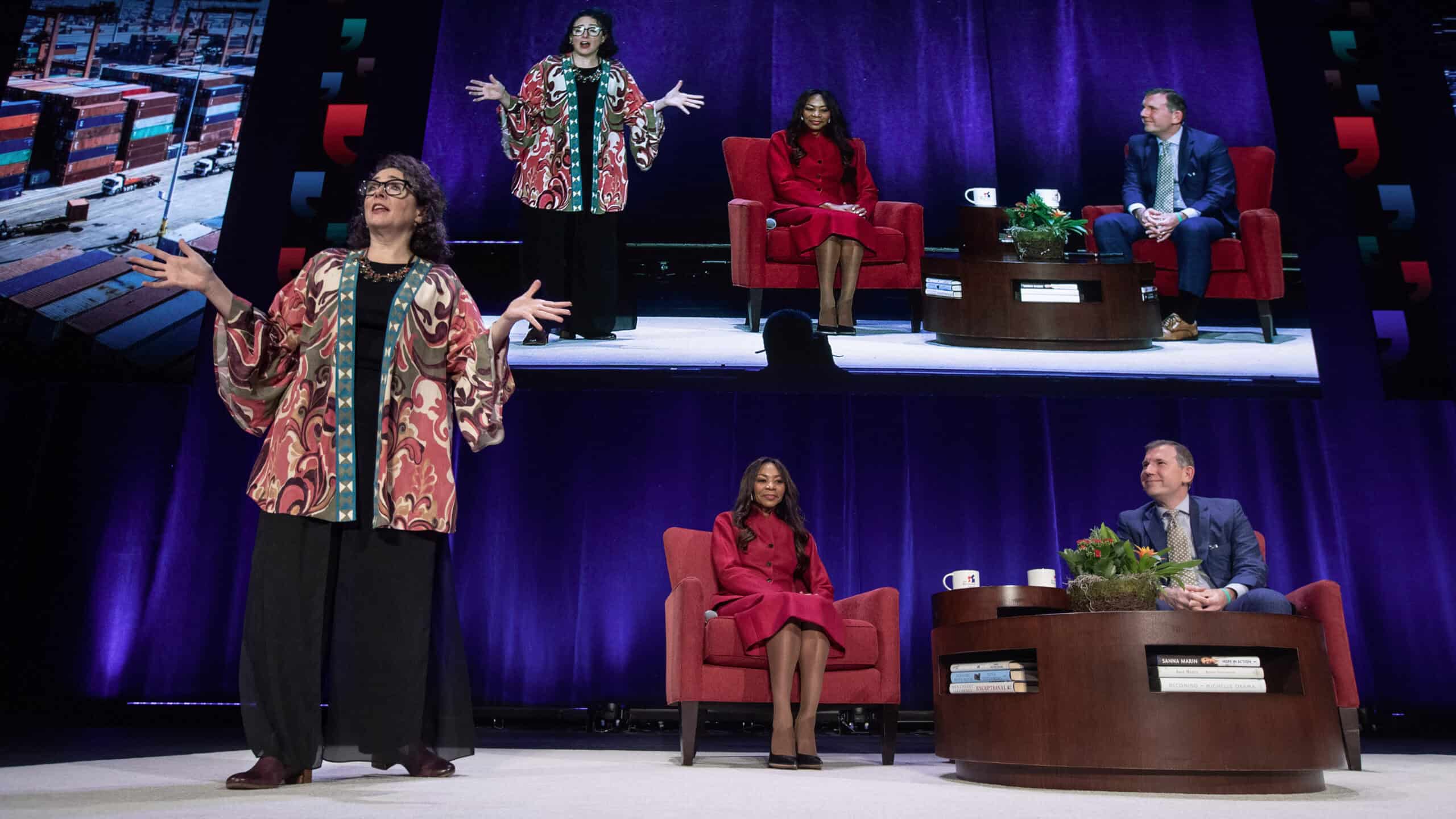
Just days after world leaders sat down together in Shenzhen, China, to talk trade and economic growth at the Asia-Pacific Economic Cooperation summit, Baroness Dambisa Moyo sat down at The Richmond Forum to do the same.
In “Tectonic Shifts in Global Trade,” Moyo dissected the forces driving today’s trade realignments and offered an unflinching assessment of where the global economy is headed and what we all stand to gain or lose in the process.
“Economic growth is the defining challenge of our time,” she said. Many hallmarks of the first quarter of the 21st century eerily mirror those of the first quarter of the 20th, including pandemics, financial crises, wars, and isolationism. But today’s moment, Moyo said, offers its own distinct threats.
“Our ability to create and sustain economic growth is the defining challenge of our time.”
– Dambisa Moyo
“Since 2009, we had not seen an expansion in the world economy,” she said. “But then came AI.” She argued that the capital pouring into artificial intelligence and related technologies, $2 trillion this year alone, is ushering in an economic “super cycle.” PwC estimates that AI could add up to $15.7 trillion to the world economy by 2030.
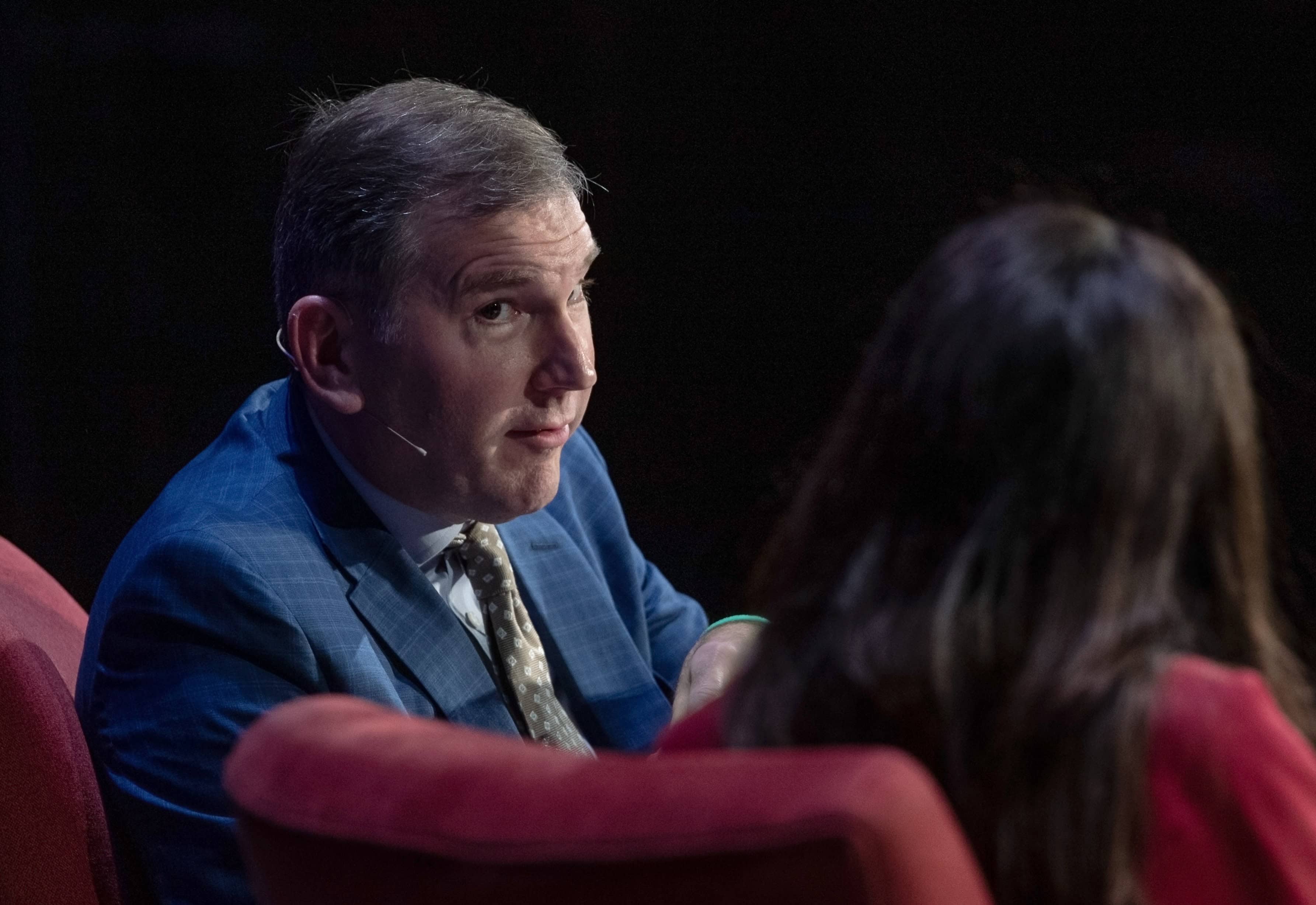
The fears of widespread joblessness deserve real consideration, she said. Goldman Sachs estimates that 300 million jobs worldwide are exposed to automation by AI. “AI is going to affect not just the job market, but also taxes and welfare,” Moyo said. “We want to make sure to defend workers’ rights to work.”
Yet history offers some reassurance. “But just because we can’t see what the next jobs will be that will emerge doesn’t mean they’re not coming,” she said. When agricultural technology improved in the late 19th and early 20th centuries, manufacturing jobs grew. Later advances moved most laborers into “services” jobs.
Changing demographics are also at play. Major players with declining populations, such as Japan and Italy, may cede some of their power to emerging markets such as Nigeria.
Natural resource scarcity poses another threat to growth, and it sits at the center of today’s trade disputes. Two resources have driven much of the tariff war between the U.S. and China. The first is critical minerals, such as lithium and rhodium, which help power the AI boom. Moyo said China has created “monopolies and cartels” around their supply. The second is land. Only about 12% of China’s landmass is arable, so the country depends on food imports. Under its current trade agreement with the U.S., China has committed to buying 25 million metric tons of American soybeans a year.
Water and energy add further strain. Moyo said access to potable water shows where war and conflict could break out in the not-so-distant future. The world also consumes roughly 100 million barrels of oil a day, and Moyo said efforts to diversify into wind, solar, and other sources must be sustainable and scalable. Reaching net-zero emissions by 2050, she said, will require $5 trillion a year. In the meantime, oil supply shocks reach consumers quickly. Of the disruption in the Strait of Hormuz, she said, “As long as the situation is gummed up in the Middle East, we’re going to see elevated prices.”
Economic growth means more than wealth, Moyo said. It shapes how we live, where we live, and what we eat. It also determines how nations build and maintain infrastructure and protect their national security. “It matters very importantly for how our politics develop,” she said. “We cannot expect to preserve democratic principles if we don’t have a middle class that is defended and keeps growing.”
Still, Moyo said, “all is not lost.” She urged pragmatism, noting that history offers plenty of lessons and that we too often discount older people’s lived experiences. “We’ve tried big government. That didn’t work,” she said. “We’ve tried small government with trickle-down supply. That also didn’t work. The answer is probably somewhere in the middle.”
The conversation now returns to world leaders. President Donald Trump and Chinese President Xi Jinping are expected to meet at the G20 summit in Miami on December 14-15. Their trade truce covers China’s purchases of U.S. soybeans and its export controls on rare earth minerals, and it expires January 10, 2027. Whether they extend it, expand it, or let it lapse will show how much of the pragmatism Moyo urged in Richmond makes it to the negotiating table.

Continue the Conversation
Moyo has warned that AI could bring economic growth without jobs. McKinsey estimates that up to 16 million U.S. workers may need to change occupations by 2035. Stanford researchers found that fewer young people are working in the jobs most exposed to AI than expected. Think about the first job you ever had. Do you think it will still exist 10 years from now?
Go Deeper: When someone’s job is replaced with AI, what level of responsibility should the employer have to reskill the employee or support them until they find new work?
As early as 2022, Moyo has said the world is “seeing a balkanization or a breakdown in globalization.” Since then, U.S. trade with China has fallen about 40%. Yet the World Trade Organization expects global trade overall to grow 3.9% this year. Do you think the world is deglobalizing, or is trade finding new routes?
Go Deeper: What do we gain and lose by making more of what we buy in the U.S.?
Our Place in the Pipeline
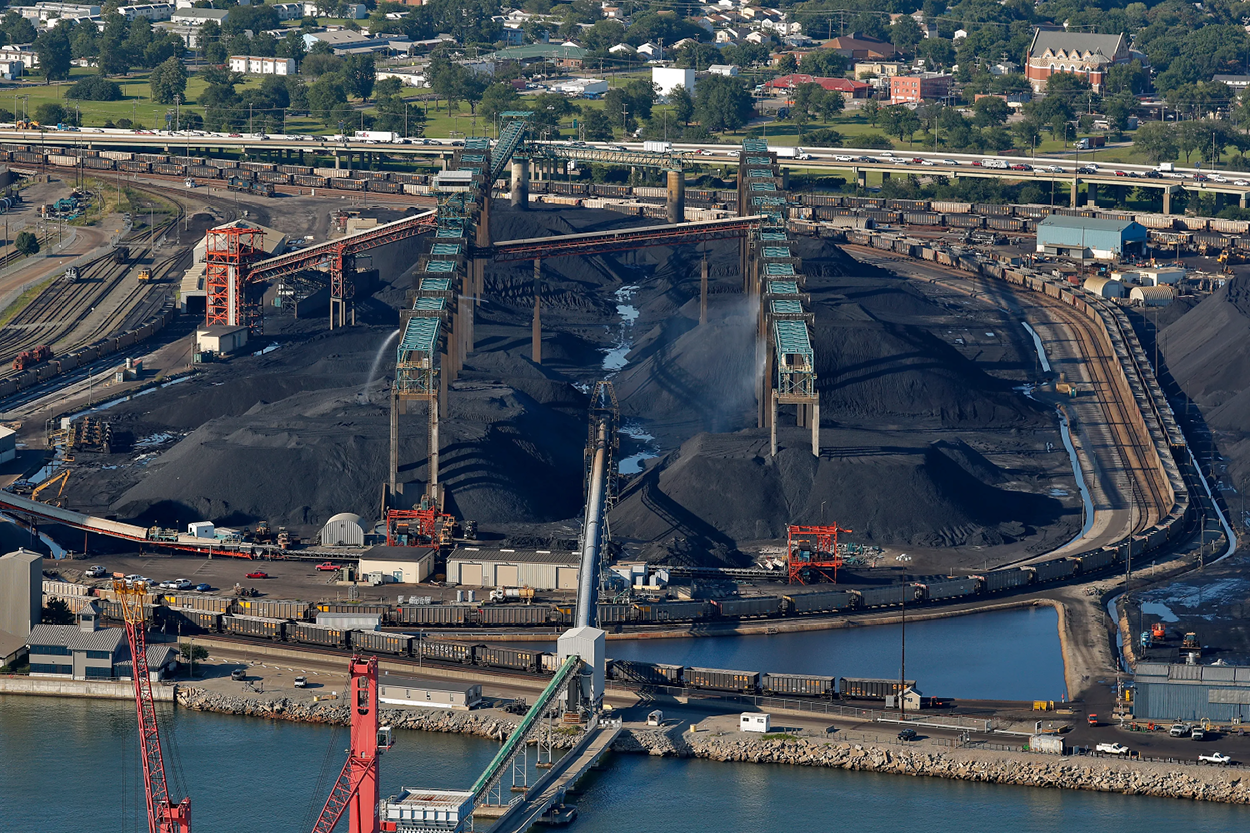
How does Virginia participate in global trade? From the program book for “Tectonic Shifts in Global Trade” with Baroness Dambisa Moyo on November 21, 2026. Virginia’s Top Exports Reported by Virginia Economic Development Partnership for January – June 2026 Export Item Value Bituminous coalHampton Roads is the nation’s largest export hub for steelmaking coal. $1B […]
November 9, 2026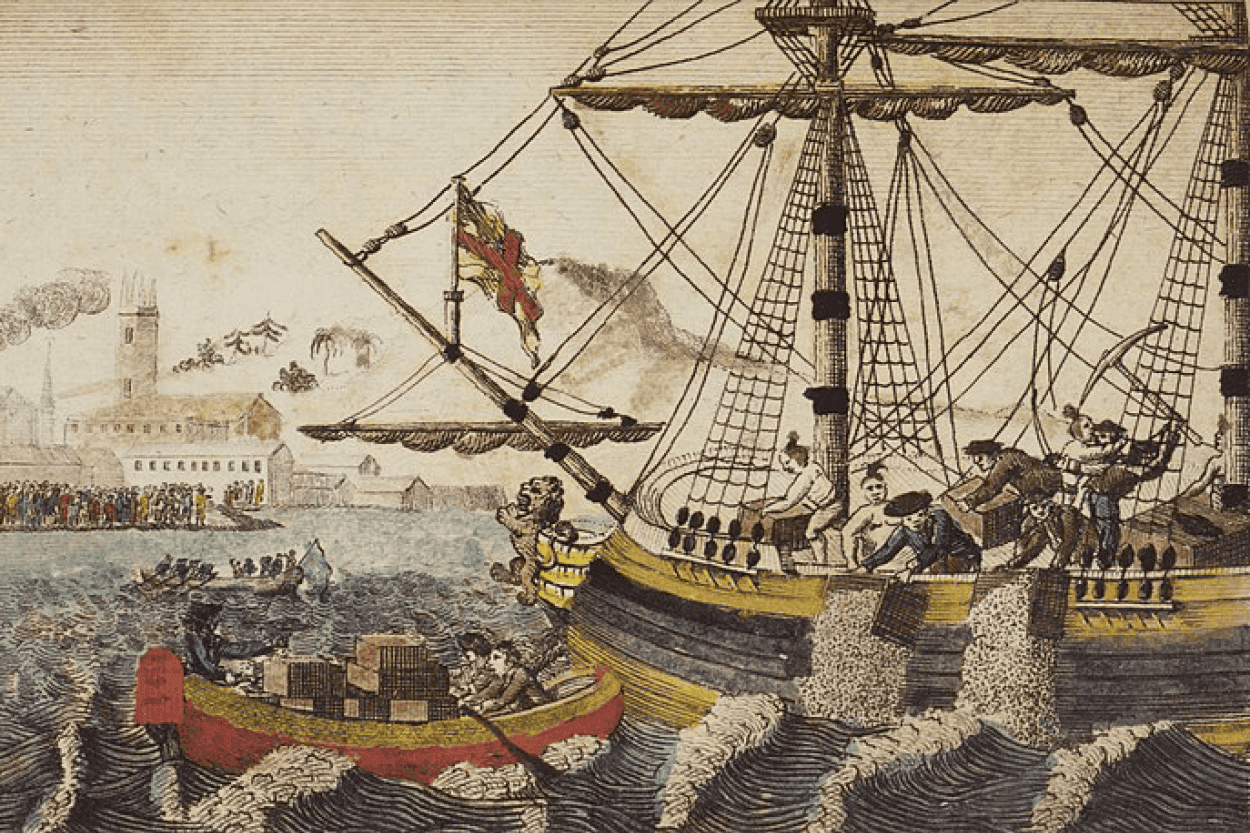
Salt to Silicon
How 5,000 years of trade shaped today’s headlines. From the program book for “Tectonic Shifts in Global Trade” with Baroness Dambisa Moyo on November 21, 2026. Humans have always been resourceful. Our ancestors’ nutmeg monopolies and tea taxes look a lot like today’s fights over rare earths and tariffs, and they help explain where global […]
November 9, 2026About Baroness Dambisa Moyo
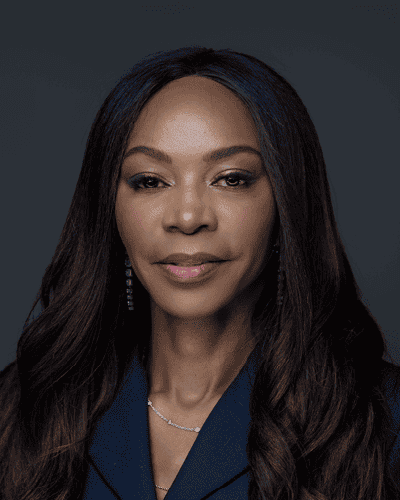
Dr. Dambisa Moyo is an economist, author, and member of the United Kingdom’s House of Lords. Her work focuses on macroeconomics, geopolitics, and global financial markets.
She has been recognized by TIME magazine as one of the “100 Most Influential People” in the world and is a member of the American Academy of Arts and Sciences.
Moyo has authored five books on the global economy. Four became New York Times bestsellers: “Dead Aid,” which argues that government-to-government foreign aid harms rather than helps African economies; “How the West Was Lost,” which examines structural economic decline in Western nations; “Winner Take All,” which analyzes China’s global pursuit of natural resources; and “Edge of Chaos,” which addresses the relationship between democratic governance and economic growth. Her fifth book, “How Boards Work,” was ranked among the Wall Street Journal’s top business books of the year.
She currently serves on the boards of Chevron, the National Geographic Society, and the Oxford University Endowment Investment Committee, and is a principal of Versaca Investments, a family office focused on global growth investing. She is a member of the Trilateral Commission and the Bretton Woods Committee, and an honorary fellow of the Foreign Policy Association.
Born in Lusaka, Zambia, Moyo holds degrees from Oxford University and Harvard University’s Kennedy School of Government. Earlier in her career, she worked as a consultant at the World Bank and as a research economist and strategist at Goldman Sachs.
Her writing has appeared in the Financial Times, the Wall Street Journal, Barron’s, and the Harvard Business Review.
Additional Resources
-
Why the World Economy Gets a B Grade
Money Maze (podcast)
-
Reglobalization: Rewiring the world economy for a new era of growth
World Economic Forum (article)
-
10 Trends Shaping Global Trade in 2026
UN Trade and Development (article)
Why Low Economic Growth Is So Dangerous
EXPLORE THE 2026 – 2027 SEASON

Join us This season
Memberships are on sale now for the 2026 – 2027 season. Options start at $145.